Common Wood Fence Problems and How to Fix Them
Wood fences are a popular choice for homeowners due to their natural beauty, versatility, and durability. However, like any outdoor structure, they can face a variety of issues over time. Here are some of the most common wood fence problems and practical solutions to fix them.
1. Rotting Wood
Rot is one of the most common issues with wood fences, especially in areas with high humidity or frequent rainfall. Rot typically occurs at the base of the fence posts or where water tends to collect.
Solution:
- Inspect your fence regularly for signs of rot, such as discoloration, softness, or crumbling wood.
- Replace affected boards or posts with treated wood that is resistant to decay.
- Apply a water-resistant sealant or stain annually to protect the wood from moisture.
- Ensure proper drainage around the base of the fence to prevent water pooling.
2. Warping and Cracking
Wood can warp or crack due to exposure to extreme temperatures and changes in humidity. This can lead to an uneven or unsightly fence.
Solution:
- Use pressure-treated wood or kiln-dried lumber to minimize warping and cracking.
- Sand down minor cracks and seal them with wood filler.
- Replace severely warped or cracked boards to maintain the structural integrity of the fence.
- Maintain consistent staining or painting to protect the wood from weather-related damage.
3. Loose or Broken Boards
Over time, boards can become loose or break due to weather exposure, impact, or aging.
Solution:
- Tighten loose boards with galvanized nails or screws to prevent further movement.
- Replace broken boards with new ones of the same size and material.
- Regularly inspect and reinforce connections to ensure the fence remains sturdy.
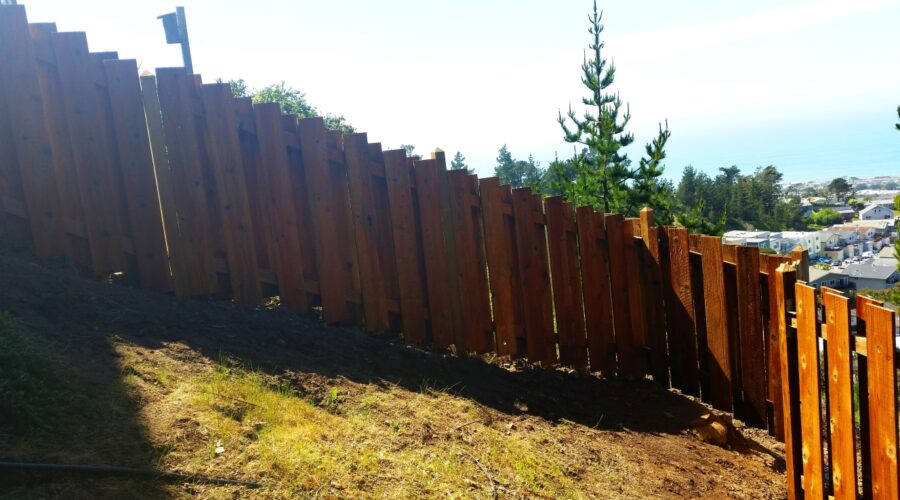
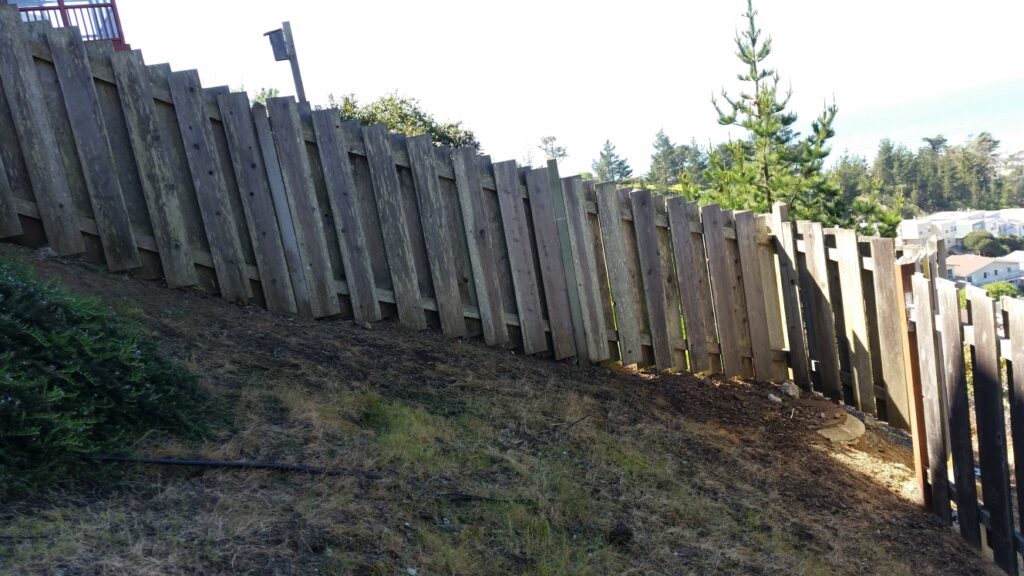
4. Leaning Fence Posts
Fence posts may lean or shift due to soil erosion, improper installation, or damage from high winds.
Solution:
- Dig around the leaning post to expose its base and determine the cause of instability.
- Straighten the post and secure it with temporary supports.
- Add concrete around the base of the post for added stability.
- Ensure posts are buried at least 2-3 feet deep to withstand environmental pressures.
5. Insect Damage
Termites and other wood-boring insects can compromise the integrity of your wood fence.
Solution:
- Treat the fence with insect-resistant products or pressure-treated wood during installation.
- Regularly inspect for signs of insect activity, such as holes, sawdust, or weakened wood.
- Apply insecticides or call a pest control professional if an infestation is found.
- Keep plants and mulch away from the base of the fence to reduce the likelihood of attracting pests.
6. Fading or Discoloration

Sun exposure and weathering can cause wood fences to fade and lose their original color.
Solution:
- Clean the fence with a mixture of water and mild detergent to remove dirt and stains.
- Use a wood brightener to restore the natural color of the wood.
- Apply a UV-protective stain or paint to prevent further fading and prolong the fence’s appearance.
7. Sagging Gates
Gates may sag over time due to wear on the hinges or shifting posts.
Solution:
- Tighten or replace the hinges to restore the gate’s alignment.
- Install diagonal bracing on the gate to provide additional support.
- Check and adjust the posts to ensure they are plumb and secure.
Final Thoughts
Regular maintenance and prompt repairs can extend the life of your wood fence and keep it looking its best. By addressing these common problems early, you’ll save time and money while preserving the beauty and functionality of your fence. With a little care and effort, your wood fence can continue to enhance your property for years to come.
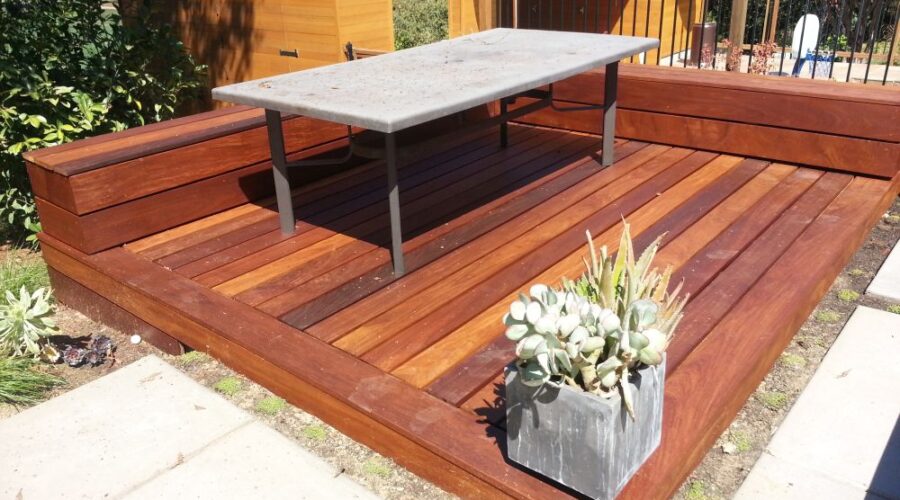
From Faded to Fabulous: Restore Your Deck with These Simple Steps
Your deck is more than just an outdoor space—it’s an extension of your home where memories are made, from summer barbecues to quiet mornings with coffee. Over time, though, exposure to the elements can leave your deck looking weathered and worn. The good news? You can bring your deck back to life with a few simple steps. Here’s how to restore your deck from faded to fabulous.
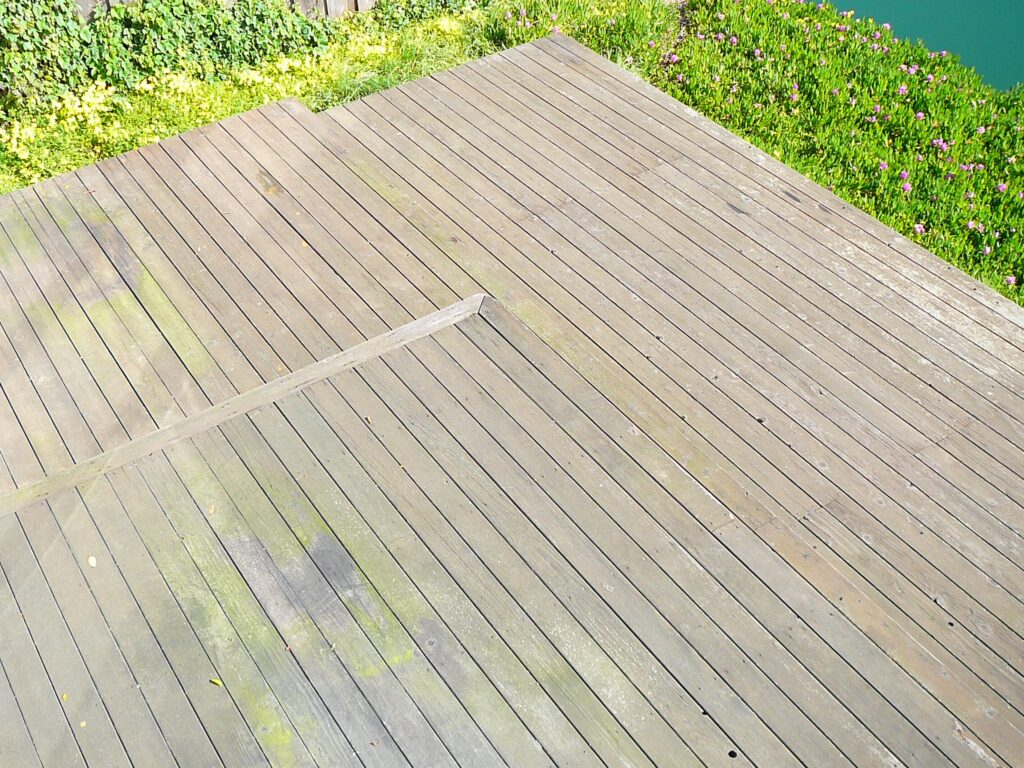
Step 1: Assess the Damage
Before diving into restoration, take a close look at your deck. Check for:
- Warped or cracked boards: Replace these to ensure structural integrity.
- Loose nails or screws: Tighten or replace them for safety.
- Mold, mildew, or algae: Look for discoloration or slippery areas that need cleaning.
Step 2: Clear the Deck
Remove all furniture, planters, and other items from your deck. Sweep away leaves, dirt, and debris to start with a clean surface.
Step 3: Clean Thoroughly
A clean deck is essential for proper restoration. Choose a cleaning method based on your deck’s material:
- Wood decks: Use a wood-specific cleaner to remove dirt and stains.
- Composite decks: Opt for a non-abrasive cleaner to protect the surface.
Consider using a pressure washer for stubborn grime, but use it cautiously to avoid damaging the wood.
Step 4: Sand the Surface
Sanding helps smooth rough areas and removes any remaining stains or old finish. Use a power sander or sandpaper, starting with coarse grit and finishing with fine grit. Don’t forget to:
- Wear a dust mask and safety goggles.
- Sand along the grain of the wood.
Step 5: Apply a Stain or Sealant
Protect your deck from future damage by applying a stain or sealant:
- Stains: Add color and enhance the natural beauty of the wood.
- Sealants: Provide a clear protective layer to prevent water and UV damage.
Use a paintbrush or roller for even application, and follow the manufacturer’s drying time recommendations.
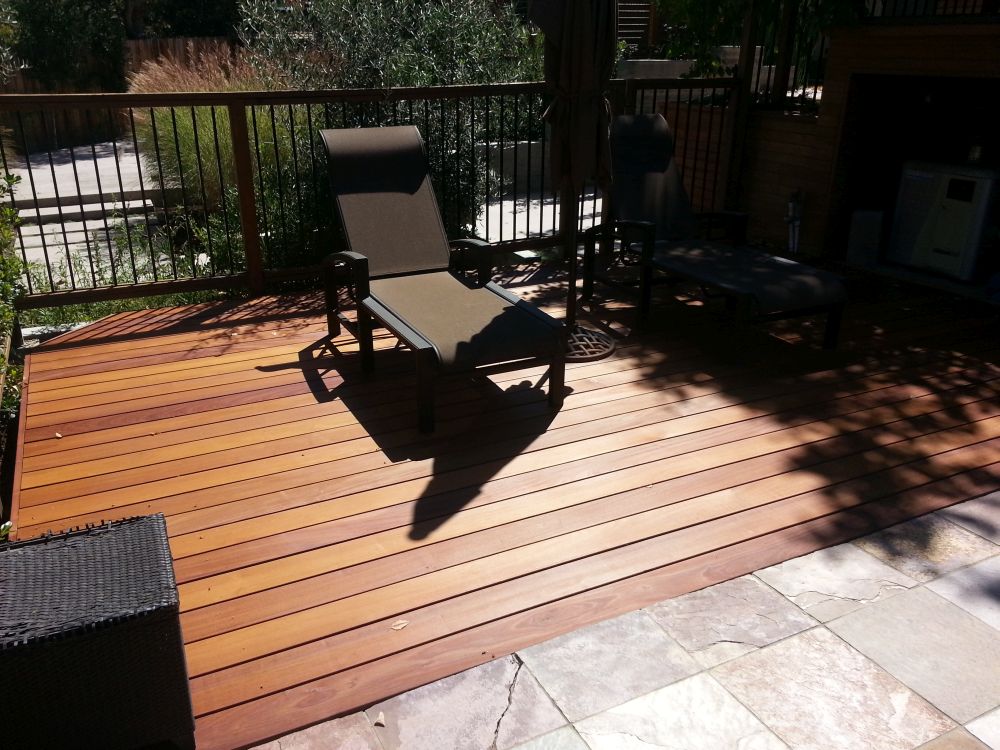
Step 6: Reassemble and Decorate
Once the stain or sealant is dry, move your furniture and accessories back onto the deck. Consider adding:
- Outdoor rugs: To define seating areas.
- String lights: For ambiance.
- Planters: To bring in a touch of greenery.
Maintenance Tips for a Long-Lasting Deck
- Sweep regularly to prevent dirt buildup.
- Reseal every 1-2 years to protect against the elements.
- Inspect for damage after extreme weather.
By following these steps, you can transform your deck into a stunning outdoor retreat. Not only will it look fabulous, but it will also provide a safe and welcoming space for years to come.

Creative Built-in Benches for Your Deck
Lorem ipsum dolor sit amet, consectetur adipiscing elit. Vivamus semper sapien nunc, non scelerisque enim ornare mattis. Nullam vel ornare est, sed convallis risus. Aliquam erat volutpat. Fusce molestie arcu eu odio porttitor dictum.
Continue Reading